
Differential Rebuild
A failing differential doesn’t always need to be replaced. In many cases, a professional differential rebuild can restore your drivetrain’s performance while extending the life of your vehicle. Whether you drive a passenger car, pickup truck, commercial truck, or fleet vehicle, a properly rebuilt differential helps ensure smooth power delivery, reliable traction, and safe operation under all driving conditions.
At Expert Driveline Truck & Auto Repair, differential rebuilds are completed with careful inspections, precision measurements, and quality replacement components. Every rebuild is performed to restore the differential to dependable operating condition while addressing the root cause of the failure.
Other Services We Provide
What Is a Differential Rebuild?
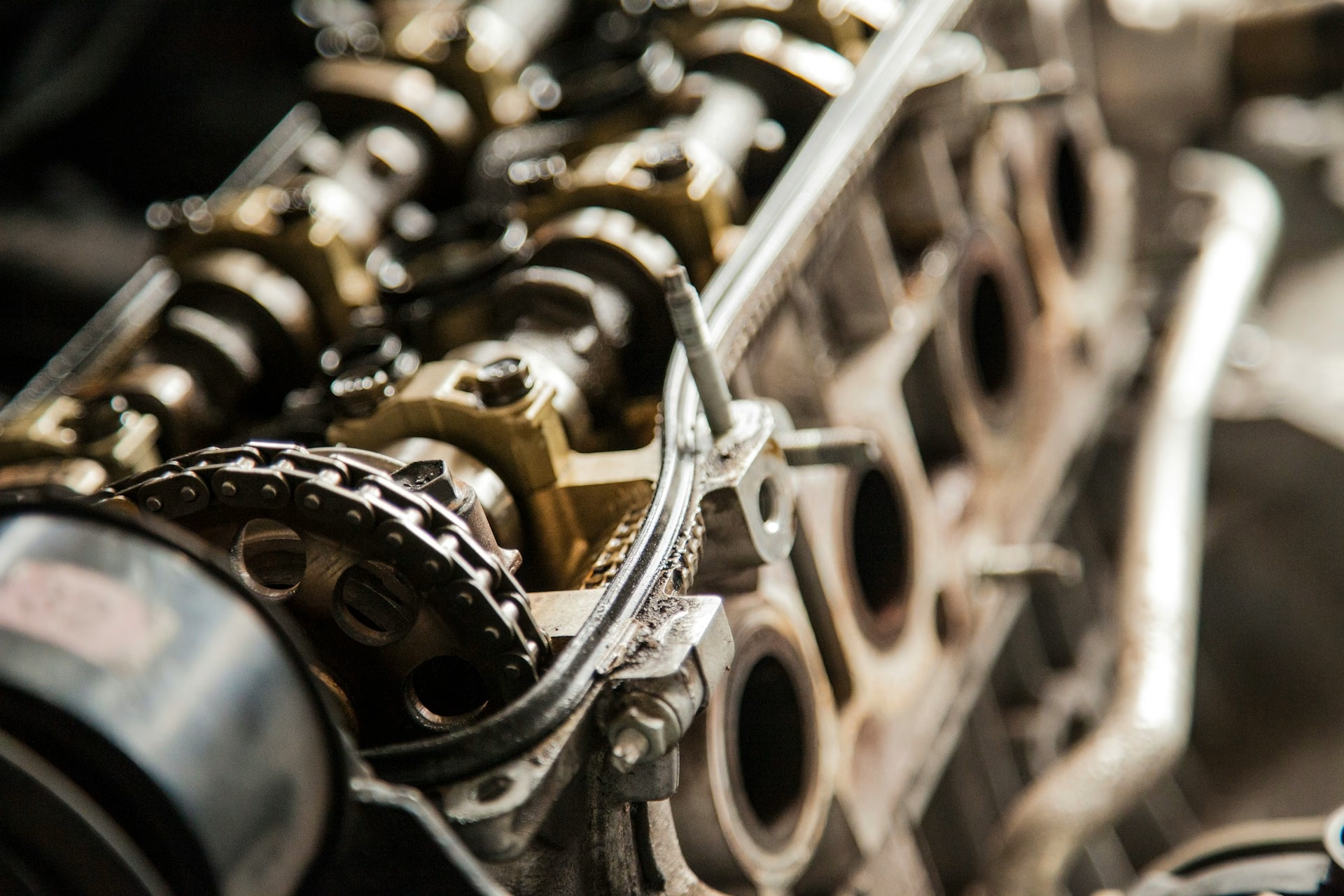
A differential rebuild involves disassembling the differential, inspecting every internal component, replacing worn or damaged parts, and reassembling the unit to proper manufacturer specifications.
Instead of replacing the entire differential assembly, rebuilding allows many reusable components to remain in service while replacing only the parts that have experienced wear or damage.
A typical rebuild may include replacing:
- Bearings
- Bearing races
- Ring and pinion gears (if needed)
- Spider gears
- Side gears
- Seals
- Crush sleeves
- Shims
- Gaskets
- Gear oil
Each component is carefully inspected to ensure the rebuilt differential performs smoothly and reliably.
Signs You May Need a Differential Rebuild
Differential wear usually develops over time, making it important to recognize early warning signs before major damage occurs.
Common symptoms include:
- Whining or humming while driving
- Grinding noises
- Clunking during acceleration
- Vibrations from the drivetrain
- Gear oil leaks
- Excessive backlash
- Metal particles in differential fluid
- Poor handling during turns
- Uneven power delivery
- Burning smell from overheated gear oil
Ignoring these symptoms can eventually lead to complete differential failure.
Common Causes of Differential Damage
Several factors can contribute to differential wear and internal damage.
These include:
- High mileage
- Heavy towing
- Frequent hauling
- Lack of maintenance
- Low differential fluid
- Contaminated gear oil
- Water intrusion
- Worn bearings
- Damaged gears
- Aggressive driving
- Off-road use
Routine maintenance and early repairs help prevent expensive drivetrain failures.
The Differential Rebuild Process
Every rebuild begins with a complete drivetrain inspection to determine the extent of the damage.
The rebuilding process generally includes:
- Road testing the vehicle
- Drivetrain diagnostics
- Removing the differential assembly
- Complete disassembly
- Cleaning all components
- Inspecting gears and bearings
- Measuring gear wear
- Replacing worn parts
- Installing new seals and bearings
- Setting proper gear backlash
- Adjusting bearing preload
- Refilling with premium gear oil
- Final testing for proper operation
Attention to detail throughout the rebuild helps ensure long-lasting performance and quiet operation.
Benefits of Rebuilding Instead of Replacing
When the housing and major components remain serviceable, rebuilding can offer several advantages.
Benefits include:
- Restores smooth drivetrain performance
- Eliminates abnormal noises
- Improves reliability
- Extends differential lifespan
- Protects other drivetrain components
- Reduces future repair costs
- Maintains proper traction
- Restores efficient power transfer
A properly rebuilt differential can provide years of dependable service with regular maintenance.
Differential Rebuilds for Many Vehicle Types
Different vehicles require different rebuilding procedures depending on their drivetrain design and intended use.
Expert Driveline Truck & Auto Repair rebuilds differentials for:
- Passenger cars
- SUVs
- Pickup trucks
- Heavy-duty trucks
- Commercial vehicles
- Fleet vehicles
- Rear-wheel-drive vehicles
- Front-wheel-drive vehicles
- Four-wheel-drive vehicles
- Performance vehicles
Each rebuild is tailored to the specific differential design and manufacturer specifications.
Complete Drivetrain Services
Because the differential works closely with other drivetrain components, related systems are inspected during the rebuilding process to ensure optimal performance.
Additional services include:
- Transmission repair
- Transmission rebuilding
- Driveshaft repair
- Driveshaft balancing
- U-joint replacement
- Axle repair
- CV axle replacement
- Transfer case repair
- Clutch repair
- Drivetrain diagnostics
- Differential repair
- Preventive drivetrain maintenance
A complete drivetrain evaluation helps identify any additional issues before they become costly repairs.
Why Precision Matters During a Differential Rebuild
Differential rebuilding requires specialized tools and precise measurements. Proper gear pattern setup, bearing preload, and backlash adjustments are critical for quiet operation and long component life.
Even minor installation errors can lead to premature gear wear, excessive noise, overheating, or repeated failures. Using quality replacement components and following manufacturer specifications helps ensure lasting results.
Frequently Asked Questions
Is rebuilding better than replacing a differential?
If the differential housing is in good condition and the damage is limited to internal components, rebuilding is often an excellent solution. It restores performance while preserving many original parts.
How long does a differential rebuild take?
Repair times vary depending on the extent of the damage, availability of replacement parts, and the type of vehicle being serviced.
Can a rebuilt differential last as long as a new one?
When rebuilt correctly with quality components and maintained properly, a rebuilt differential can provide many years of dependable performance.
What causes rebuilt differentials to fail?
Most failures result from improper setup, contaminated lubricant, neglected maintenance, or unrelated drivetrain issues. Professional rebuilding and routine service help prevent these problems.